Black Watercolor Patterns: A Versatile Design Resource for Creative Projects
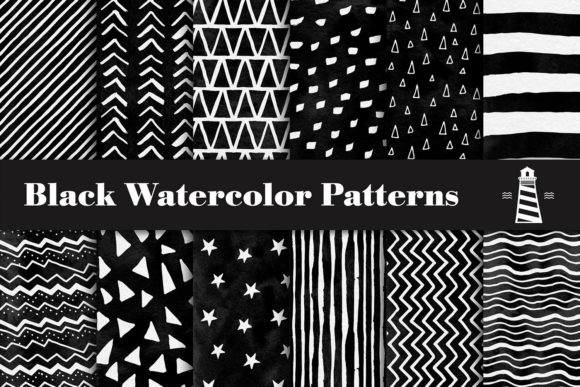
Black watercolor patterns offer a unique blend of artistic expression and practical utility. These designs feature the soft, flowing textures of traditional watercolor, but with a bold, dark palette that adds dramatic contrast and visual interest. This style is particularly popular among artists, designers, and crafters who seek to incorporate a sophisticated, moody aesthetic into their work. The 12 high-quality files included in this pack provide a range of black watercolor backgrounds that can be used across various creative applications.
What Makes Black Watercolor Patterns Distinct?
Unlike traditional watercolor techniques that often rely on light or pastel tones, black watercolor patterns emphasize depth and shadow. This approach allows for a striking visual impact, making it ideal for projects that require a strong, cohesive look. The patterns are typically created using a combination of brush strokes, splatters, and washes, resulting in organic, textured surfaces that add dimension to any design.
The use of black as a primary color also sets these patterns apart from other watercolor styles. While many watercolor designs focus on vibrant or muted hues, black watercolor offers a more minimalist and modern feel. This makes it especially appealing for digital art, branding, and editorial layouts where a clean, professional appearance is essential.
Comparing Black Watercolor Patterns with Other Design Options
When evaluating design resources, it's important to consider how black watercolor patterns compare with other formats and styles. For instance, solid color backgrounds may offer simplicity and clarity, but they lack the visual complexity and texture provided by watercolor patterns. Similarly, abstract or geometric designs can be visually engaging, but they often require more careful integration to avoid overwhelming a composition.
In contrast, black watercolor patterns provide a middle ground between minimalism and intricacy. They offer enough detail to add character without dominating the overall design. This balance makes them a versatile choice for both digital and print projects. Additionally, the high-resolution (300 dpi) files ensure that the patterns maintain their quality when scaled for different sizes, such as 12 x 12 inches for card making or larger formats for wall art.
Strengths and Best-Fit Situations
One of the key strengths of black watercolor patterns is their adaptability. Whether you're designing invitations, creating birthday decorations, or preparing gift wrap, these backgrounds can seamlessly integrate into a wide range of projects. Their dark tone works well with bright or metallic accents, allowing for creative layering and text placement.
For example, a black watercolor background can serve as an elegant backdrop for a wedding invitation, adding a sense of sophistication without being too overpowering. Similarly, in a digital context, these patterns can enhance the visual appeal of a website or blog, providing a subtle yet impactful design element. They are also useful for creating digital collages, where the texture of the pattern can add depth and interest to a composition.
Tradeoffs and Limitations
While black watercolor patterns have many advantages, they may not be the best fit for every project. In some cases, the dark tone can make text difficult to read, especially if the font color is not carefully chosen. This requires additional attention to typography and layout to ensure legibility and visual harmony.
Additionally, the organic nature of watercolor patterns means that each design has a slightly different texture and flow. This can be a benefit for those seeking unique, one-of-a-kind visuals, but it may also present challenges for projects that require strict consistency. For instance, if a brand needs uniformity across multiple marketing materials, the variability in watercolor patterns could complicate the design process.
When Black Watercolor Patterns Are the Right Choice
Black watercolor patterns are an excellent choice for projects that benefit from a refined, artistic touch. They are particularly effective in situations where a designer wants to convey a sense of elegance, mystery, or creativity. For example, a boutique business might use these patterns for packaging or promotional materials to create a distinctive, memorable brand identity.
They are also ideal for personal projects, such as handmade cards or custom stationery. The high-quality JPG files allow for easy editing and printing, making it simple to customize the patterns to suit specific needs. Whether you're working on a small-scale craft project or a larger commercial endeavor, these backgrounds can add a professional and polished look to your work.
Alternatives to Consider
If black watercolor patterns do not align with your design goals, there are several alternatives worth exploring. Solid color backgrounds, for instance, offer a clean and straightforward option that is easier to work with in certain contexts. They are particularly useful for minimalist designs or projects that require a clear focus on typography or imagery.
Another alternative is to use digital brushes or texture overlays that mimic the look of watercolor without the need for pre-made patterns. This approach provides greater flexibility, as you can adjust the intensity and placement of the texture to match your specific requirements. However, it may require more technical skill and time to achieve the desired effect.
Practical Use Cases and Realistic Examples
Consider a scenario where a designer is creating a set of greeting cards for a special occasion. By incorporating a black watercolor pattern as the background, the cards gain a unique and eye-catching quality that stands out from standard designs. The texture of the pattern can also help to draw attention to the message or artwork featured on the card, enhancing its overall impact.
Another example involves a blogger looking to refresh their website's design. Using a black watercolor pattern as a background can add visual interest without being too distracting. It complements modern fonts and images while maintaining a cohesive and professional appearance. This approach can help to elevate the user experience and make the site more engaging for visitors.
Final Thoughts on Choosing the Right Design Resource
When selecting design elements for your projects, it's important to evaluate how well they align with your goals and audience. Black watercolor patterns offer a distinctive and versatile option that can enhance a wide range of creative endeavors. However, they are just one of many possible choices, and the best fit will depend on your specific needs and preferences.
By understanding the strengths, limitations, and potential applications of black watercolor patterns, you can make a more informed decision about whether they are the right resource for your work. Whether you choose to use these backgrounds or explore other design options, the key is to select elements that support your vision and deliver the desired results.