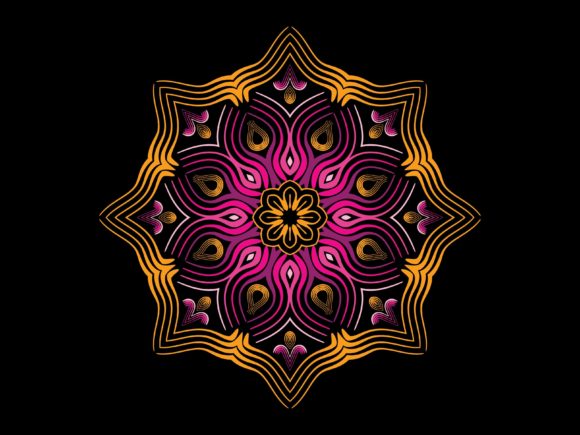
Mandala with Mixed Batik Patterns
Mandala with Mixed Batik Patterns is a unique and versatile design that blends the intricate beauty of mandalas with the rich cultural heritage of batik. This pattern offers a stunning visual language that can elevate any project, from home decor to wedding essentials. Whether you're an artist, a business owner, or a hobbyist, this design provides a creative foundation that can be adapted to various needs.
The fusion of mandalas and batik creates a design that is both symbolic and artistic. Mandalas are often used for meditation and spiritual reflection, while batik is a traditional textile art known for its detailed patterns and vibrant colors. Combining these elements results in a design that is not only visually appealing but also carries deep cultural significance.
Practical Benefits of Mandala with Mixed Batik Patterns
One of the key advantages of Mandala with Mixed Batik Patterns is its adaptability. The design can be used across multiple mediums, making it ideal for those who want to explore different creative avenues. For instance, if you're a designer looking to expand your portfolio, this pattern can serve as a base for illustrations, digital art, or even fashion prints.
For entrepreneurs, this pattern can be a valuable asset when creating products for niche markets. If you run a small business focused on handmade goods or custom designs, incorporating Mandala with Mixed Batik Patterns into your offerings can attract customers looking for unique, culturally inspired items. It’s especially useful for those in the wedding industry, where personalized details can make a significant difference.
Another benefit is the ease of use. The pattern file includes both JPEG and AI formats, allowing users to print, cut, or edit the design according to their needs. This flexibility makes it accessible for both digital and physical applications. Whether you're creating a tablecloth, a henna painting template, or a decorative wall art, the design can be customized without requiring advanced technical skills.
Realistic Use Cases for Mandala with Mixed Batik Patterns
Consider a scenario where a wedding planner is designing invitations and décor for a culturally inspired event. By using Mandala with Mixed Batik Patterns, they can create a cohesive theme that reflects both tradition and modern aesthetics. The pattern can be printed on stationery, used as a backdrop for photo booths, or incorporated into floral arrangements for a unique touch.
For artists and crafters, this design can serve as a source of inspiration. If you're working on a knitting project, the pattern can be adapted to create intricate stitch patterns that mimic the complexity of batik. Similarly, for those involved in textile arts, the design can be used as a guide for hand-painting or digital printing, offering a balance between simplicity and detail.
Teachers and educators may also find value in this design. Using Mandala with Mixed Batik Patterns in classroom activities can introduce students to cultural art forms while encouraging creativity. It can be used in art projects, storytelling exercises, or even as a tool for teaching geometry and symmetry through visual representation.
Who Can Benefit Most from This Design?
This pattern is particularly beneficial for creators and professionals who work with visual media. Graphic designers, illustrators, and interior decorators can use it to add depth and cultural richness to their work. It’s also ideal for small business owners who want to offer unique products without the need for extensive design resources.
For hobbyists and DIY enthusiasts, Mandala with Mixed Batik Patterns offers a way to experiment with different materials and techniques. Whether you're painting, sewing, or crafting, the design provides a structured yet flexible framework that encourages personal expression. It’s also a great option for those interested in mindfulness practices, as the symmetrical nature of mandalas can promote focus and relaxation.
However, it's important to consider the context in which the design will be used. While it's highly adaptable, some applications may require additional customization. For example, if you're planning to use the pattern for large-scale commercial production, you may need to ensure that the design meets specific licensing or copyright requirements.
Recommendations and Observations
If you're new to working with mandala or batik-inspired designs, start by experimenting with smaller projects. This allows you to understand how the pattern interacts with different materials and formats. You can begin by using the JPEG version for quick prints or the AI file for more detailed edits.
When selecting a design, pay attention to the level of detail and color palette. Some variations may be more suitable for certain applications than others. For instance, a high-contrast version might work better for henna paintings, while a softer tone could be ideal for home decor.
It's also worth exploring how other artists or businesses have used similar designs. This can provide insights into best practices and potential challenges. Engaging with online communities or design forums can help you stay informed about trends and innovations in this space.
In summary, Mandala with Mixed Batik Patterns is more than just a visual element—it's a versatile tool that can enhance creativity, support business goals, and inspire cultural appreciation. Whether you're looking to add a unique touch to your projects or explore new creative possibilities, this design offers a meaningful and practical solution. With the right approach, it can become a valuable resource in your creative or professional journey.