Patterns in Abstract Style: A Unique Approach to Design
Patterns in Abstract Style offer a distinctive visual language that blends creativity with structure. These designs often feature geometric shapes, fluid lines, and abstract forms that evoke emotion and imagination. Unlike traditional patterns, which may follow strict repetition or recognizable motifs, abstract patterns prioritize form, texture, and color interaction. This makes them ideal for a wide range of applications, from home decor to fashion and beyond.
What Makes Patterns in Abstract Style Distinct?
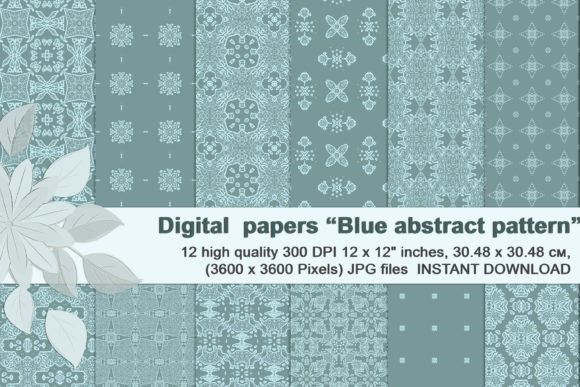
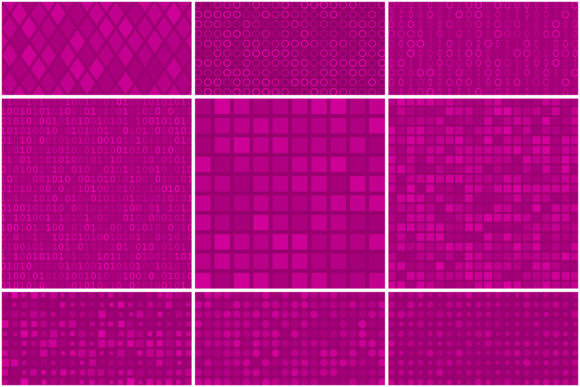
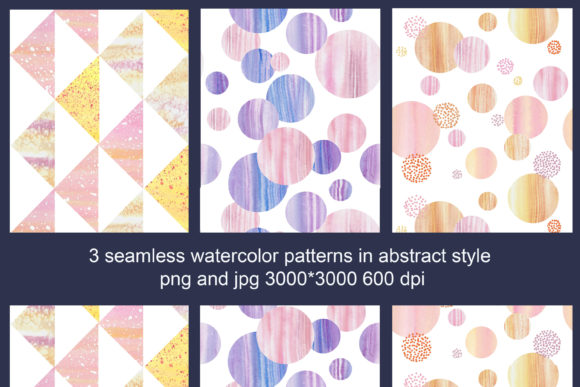
Patterns in Abstract Style stand out due to their emphasis on non-representational elements. Instead of depicting real-world objects, they focus on shapes, colors, and textures to create a sense of movement or harmony. The use of round and triangular elements, as seen in the available watercolor patterns, adds a dynamic quality to the design. These elements are often layered with different textures, resulting in a rich and visually engaging composition.
The white background in these patterns provides a clean canvas that allows the abstract elements to shine. This simplicity enhances the overall aesthetic, making the patterns versatile enough to complement various styles and settings. Whether used on bed linen, t-shirts, or wallpaper, the patterns maintain a cohesive and elegant appearance.
Comparing Patterns in Abstract Style with Other Options
When considering design options, it's important to understand how Patterns in Abstract Style compare with other approaches. Traditional patterns, such as floral or checkered designs, often rely on recognizable imagery and repetitive structures. While these can be timeless and classic, they may not offer the same level of artistic freedom as abstract patterns.
Other abstract styles, such as minimalism or maximalism, also have their own characteristics. Minimalist designs focus on simplicity and negative space, while maximalist approaches embrace bold colors and intricate details. Patterns in Abstract Style fall somewhere in between, offering a balance of complexity and clarity that can appeal to a broad audience.
Strengths and Tradeoffs of Patterns in Abstract Style
One of the key strengths of Patterns in Abstract Style is their adaptability. They can be used in both modern and traditional settings, depending on the context and application. The subtle textures and soft colors in the available watercolor patterns make them particularly suitable for creating a calming and inviting atmosphere.
However, there are tradeoffs to consider. Abstract patterns may not be as immediately recognizable as more traditional designs, which could affect their appeal in certain markets. Additionally, the success of an abstract pattern often depends on the quality of its execution, including factors like resolution and color accuracy.
Best Fit Situations for Patterns in Abstract Style
Patterns in Abstract Style are well-suited for environments where a sense of creativity and sophistication is desired. For example, in interior design, these patterns can add a unique touch to walls, furniture, or textiles without overwhelming the space. They work especially well in areas that benefit from a subtle yet artistic presence, such as living rooms, bedrooms, or office spaces.
In fashion, abstract patterns can provide a fresh and modern look that stands out from more conventional designs. T-shirts, scarves, and accessories featuring these patterns can offer a stylish alternative to standard prints. Similarly, in packaging and stationery, the clean and elegant nature of the patterns can enhance the overall presentation of products or documents.
Limitations and Decision Factors
While Patterns in Abstract Style offer many benefits, they may not be the best choice for every situation. In some cases, a more straightforward or symbolic pattern might be more effective. For instance, in commercial branding or product labeling, clarity and instant recognition are often more important than artistic expression.
Decision factors include the intended use, target audience, and desired aesthetic. If the goal is to create a strong visual identity or convey a specific message, a more direct pattern might be preferable. However, if the objective is to introduce a sense of creativity or elegance, Patterns in Abstract Style can be an excellent choice.
Realistic Examples and Practical Comparisons
Consider a scenario where a designer is choosing between a traditional floral pattern and a set of abstract watercolor patterns. The floral design might be more familiar and widely accepted, but the abstract option could offer a fresh and contemporary feel. The decision would depend on the designer's goals and the preferences of the end user.
Another example involves selecting fabric for a new line of bedding. A solid color might be practical and easy to match with other decor, while an abstract pattern could add visual interest and uniqueness. The choice would depend on the brand's identity and the market it aims to serve.
When to Choose Patterns in Abstract Style
Patterns in Abstract Style are a good choice when the goal is to introduce a sense of artistry and individuality. They are particularly effective in settings where subtlety and elegance are valued. For instance, in a boutique hotel or a high-end retail space, these patterns can contribute to a refined and sophisticated ambiance.
If the goal is to create a welcoming and uplifting environment, the gentle and light nature of the available watercolor patterns can be especially beneficial. Their soft tones and organic shapes can help reduce visual clutter and promote a sense of calm.
When to Consider Alternative Options
Alternative options may be more appropriate in situations where immediate recognition or functionality is critical. For example, in industrial or commercial settings, clear and simple patterns might be more effective for signage, labels, or instructional materials. In such cases, the primary focus is on communication rather than aesthetics.
Additionally, in markets where traditional designs are more popular, abstract patterns may require more education or context to be fully appreciated. This doesn't mean they are less valuable, but it does highlight the importance of understanding the audience and the environment in which the patterns will be used.
Conclusion: Making an Informed Choice
Patterns in Abstract Style offer a unique and versatile approach to design that can enhance a variety of applications. Their ability to blend creativity with structure makes them a compelling option for those looking to add a touch of originality to their projects. However, the decision to use these patterns should be based on a careful evaluation of the specific needs and goals of the project.
By considering factors such as the intended use, audience preferences, and design objectives, readers can make a more informed choice about whether Patterns in Abstract Style are the right fit for their needs. Whether used in home decor, fashion, or other creative fields, these patterns have the potential to bring a fresh and inspiring perspective to any design endeavor.