Children's Marine Patterns: A Strategic Design Resource for Creative and Business Applications
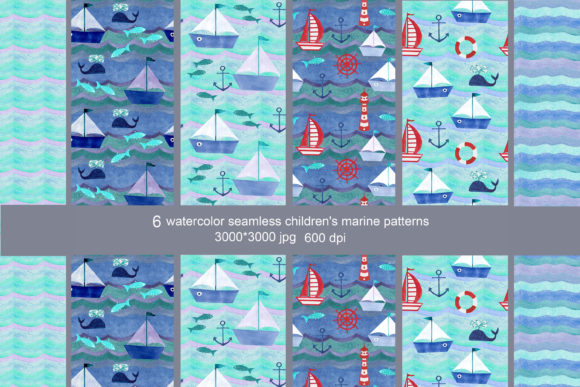
Children's Marine Patterns offer a versatile and visually engaging design solution that can enhance a wide range of creative and commercial projects. Featuring six watercolor seamless marine patterns, this collection includes iconic nautical elements such as boats, lighthouses, whales, anchors, steering wheels, and fish. Available in high-resolution 3000x3000 pixels at 600 dpi, these designs are suitable for use across multiple mediums, including bed linen, packaging, fabric, bags, and wallpaper. For professionals and entrepreneurs looking to integrate thematic visuals into their work, these patterns represent more than just decorative elements—they are strategic tools that can influence branding, customer engagement, and product appeal.
Understanding the Strategic Value of Children's Marine Patterns
At its core, Children's Marine Patterns is a curated set of illustrations designed to evoke a sense of adventure, imagination, and connection to the sea. These patterns are not merely aesthetic choices; they serve as visual narratives that can be strategically deployed to communicate specific messages or emotions. Whether used in children's products, educational materials, or lifestyle branding, the inclusion of marine-themed visuals can create a strong emotional resonance with target audiences.
For business owners and marketers, the value of these patterns lies in their ability to align with brand identity and consumer expectations. A children's clothing line, for example, could leverage these designs to reinforce a theme of exploration and discovery, appealing to parents who want to encourage curiosity in their children. Similarly, a toy company might use these patterns to create packaging that stands out on store shelves while maintaining a cohesive and recognizable visual language.
When to Use Children's Marine Patterns: Practical Scenarios
The decision to incorporate Children's Marine Patterns should be guided by clear objectives and an understanding of the audience. These designs are particularly effective when targeting younger demographics or when aiming to create a whimsical, playful atmosphere. However, their application extends beyond children’s products. For instance, a home décor brand could use these patterns to create a nautical-inspired interior collection, appealing to customers who appreciate coastal aesthetics.
Consider the following scenarios where these patterns can be strategically applied:
- Product Packaging: Use the patterns to create eye-catching, thematic packaging that differentiates your product in a competitive market.
- Fabric and Textiles: Incorporate the designs into bedding, curtains, or upholstery to add a unique, artistic touch to home interiors.
- Marketing Materials: Apply the patterns to brochures, banners, or digital ads to create a consistent visual style that reinforces brand messaging.
- Children’s Educational Tools: Integrate the designs into books, worksheets, or learning kits to make educational content more engaging and interactive.
How to Approach the Use of Children's Marine Patterns Effectively
To maximize the impact of Children's Marine Patterns, it’s essential to approach their use with intention and planning. Start by defining the purpose of the design—whether it’s to attract attention, convey a message, or support a brand identity. This clarity will guide decisions about placement, scale, and color adjustments.
Another key consideration is the balance between creativity and practicality. While the watercolor style adds a soft, artistic feel, it may not be suitable for all applications. For instance, a minimalist brand might find the intricate details overwhelming, whereas a more colorful and imaginative brand could benefit from the richness of the patterns. Testing the designs in different contexts can help determine their effectiveness.
Additionally, think about how the patterns will interact with other design elements. If used in a larger composition, ensure that the marine motifs complement rather than compete with other visual components. This requires careful attention to layout, color harmony, and typography.
Strategic Observations and Decision-Making Guidance
When integrating Children's Marine Patterns into a project, consider the long-term implications of your design choices. A well-chosen pattern can become a signature element of your brand, creating recognition and loyalty over time. Conversely, a poorly chosen or inconsistently applied design may dilute your brand’s message or confuse your audience.
One practical tip is to maintain a consistent visual language across all platforms. If you use the patterns in print materials, ensure that the same designs are reflected in digital assets, such as websites or social media. This consistency builds trust and reinforces brand identity.
Another observation is the importance of context. The same pattern may have different connotations depending on how it’s used. A lighthouse, for example, can symbolize guidance and safety, but if placed in an inappropriate setting, it might appear irrelevant or out of place. Always evaluate the cultural and emotional associations of each element within the pattern.
Risks of Using Children's Marine Patterns Without Clear Goals
While Children's Marine Patterns offer many benefits, using them without a clear strategy can lead to ineffective or even counterproductive results. One common risk is overuse—applying the patterns too frequently or in too many areas can result in visual clutter, making it difficult for the audience to focus on the primary message.
Another risk is misalignment with the brand’s overall identity. If the marine theme doesn’t resonate with the target audience or conflicts with the brand’s values, the designs may fail to connect emotionally. This can lead to a lack of engagement, reduced sales, or negative perceptions of the brand.
Additionally, failing to consider technical requirements can compromise the quality of the final output. High-resolution images are essential for professional applications, and improper scaling or formatting can lead to pixelation or distortion. Always verify that the files meet the necessary specifications before implementation.
Intentional Use of Children's Marine Patterns for Better Outcomes
To use Children's Marine Patterns intentionally, start by identifying the specific goals you want to achieve. Are you looking to enhance brand visibility? Improve customer engagement? Or differentiate your product in the market? Once these goals are defined, select the most appropriate elements from the pattern set and apply them in a way that supports those objectives.
For example, if your goal is to create a memorable packaging design, focus on one or two key elements from the pattern, such as a boat or a whale, and use them prominently. This approach ensures that the design remains focused and impactful without overwhelming the viewer.
Finally, consider the feedback loop. After implementing the patterns, monitor how the audience responds. Are they engaging with the design? Does it align with their expectations? Use this information to refine your approach and make informed decisions for future projects.
Long-Term Value and Realistic Use Cases
Children's Marine Patterns can provide long-term value when integrated thoughtfully into a broader design strategy. For small businesses, these patterns can serve as a cost-effective way to elevate product offerings without requiring extensive custom illustration. For educators, they can be used to create visually appealing learning materials that capture students’ attention and enhance comprehension.
Realistic use cases include:
- Custom Apparel: Print the patterns on t-shirts, hoodies, or backpacks for a unique, themed product line.
- Interior Design Projects: Use the patterns in wall art, cushions, or rugs to create a cohesive, nautical-themed space.
- Marketing Campaigns: Incorporate the designs into email newsletters, social media posts, or event invitations to maintain a consistent visual identity.
By leveraging these patterns with intention and strategy, professionals across various industries can enhance their creative output, improve customer experiences, and achieve better results in their respective fields.